
Fotona FracTAT® Laser Tattoo Removal in Milton, GA
Precision technology. Personalized care. A regenerative approach.
Book Your Fotona FracTAT Consultation
Every treatment begins with a personalized consultation. Pick a time online in just a few clicks.
Prefer to talk? Call or text 678-717-4969.
What Is Fotona FracTAT®?
Understanding the Science Behind Advanced Laser Tattoo Removal
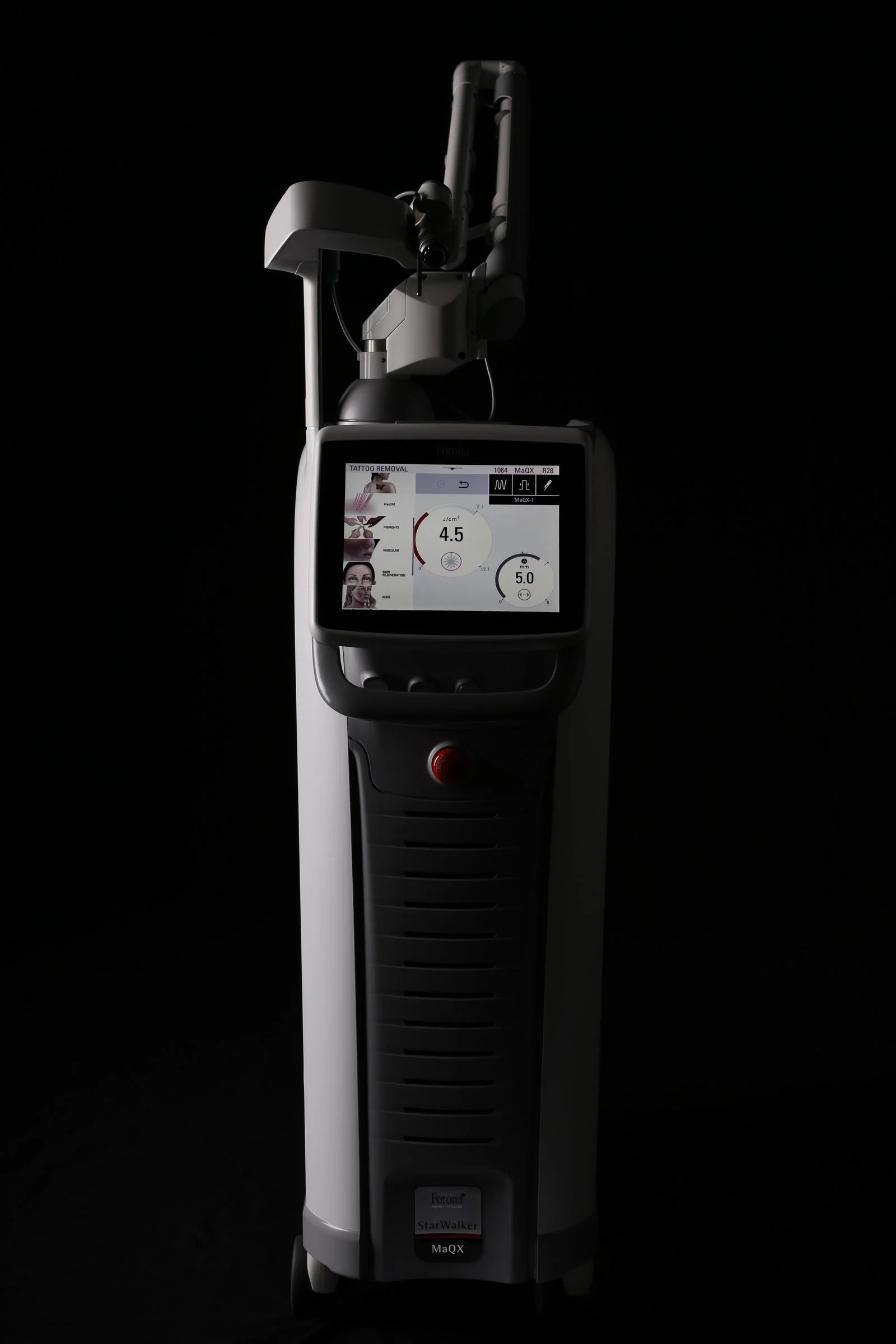
Fotona FracTAT® is a proprietary laser tattoo removal technique developed by Fotona.
The technology incorporates fractional laser pretreatment followed by targeted laser energy designed to interact with tattoo pigment embedded within the skin.
Traditional laser tattoo removal primarily involves directing short pulses of laser energy toward tattoo ink. When the pigment absorbs appropriate laser energy, a photoacoustic effect can fragment ink particles into smaller components. Over time, the body's natural immune and clearance processes may gradually remove some of these fragments, contributing to the fading of the tattoo.
However, tattoo removal involves several variables. The depth of the ink, its composition, the tattoo's age and location, previous treatments, and individual skin characteristics can all influence how pigment responds.
Fotona developed FracTAT to provide a specialized approach that addresses certain limitations associated with conventional laser tattoo removal. Rather than relying exclusively on repeated full-beam laser passes, the technique incorporates fractional pretreatment into the procedure.
How Does Fotona FracTAT® Work?
Two Complementary Laser Techniques
The FracTAT technique incorporates two key stages.
Step 1: Fractional Laser Pretreatment
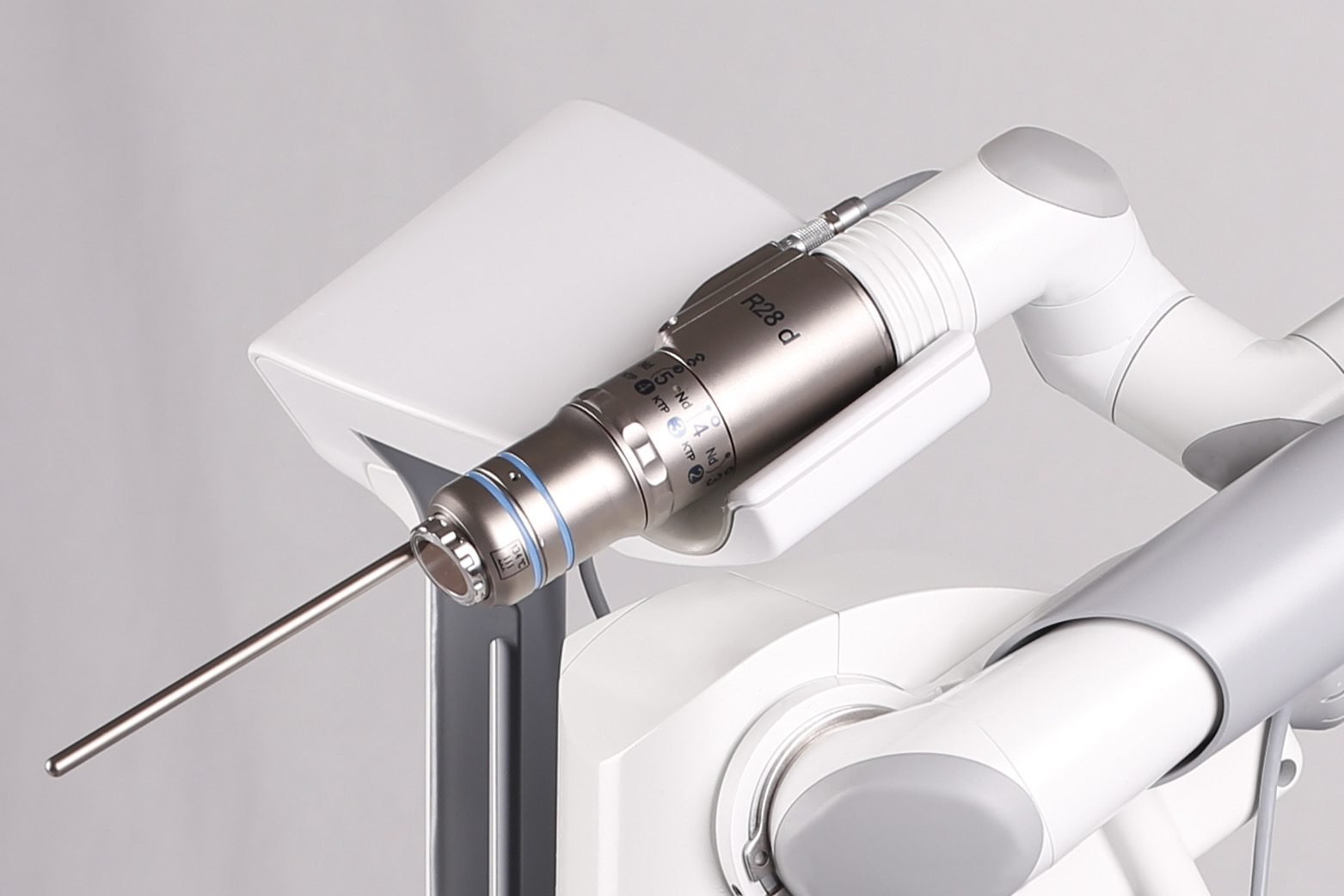
A specialized fractional laser handpiece delivers energy in a pattern designed to create microscopic channels within the treatment area. These channels may provide pathways for gases generated during subsequent laser exposure to escape.
During conventional laser tattoo removal, laser interaction with tattoo pigment can produce a temporary whitening effect called laser frosting. This occurs partly because of microscopic gas bubbles generated within the treated tissue. The frosting effect can interfere with the transmission of subsequent laser energy.
Fractional pretreatment is intended to address some of this interference.
Step 2: Targeted Tattoo Pigment Treatment
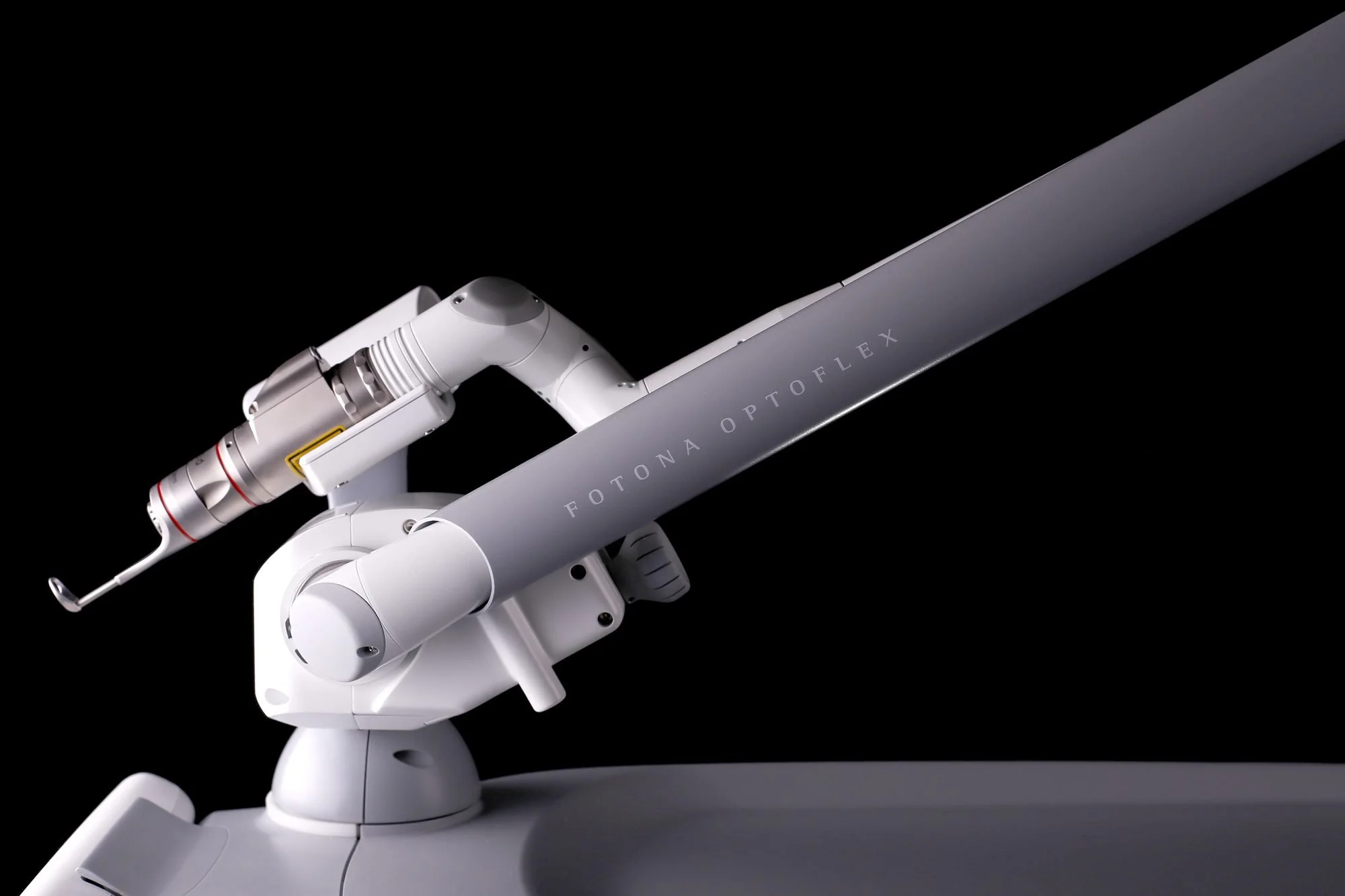
Following fractional pretreatment, a full-beam laser handpiece delivers energy selected to interact with tattoo pigment. The laser produces a photoacoustic effect that can fragment ink particles. The body's natural processes may then gradually clear some of the treated pigment over time.
Why Combine Both Techniques?
The FracTAT method was developed to combine fractional pretreatment with subsequent pigment-targeting laser treatment. Clinical investigations have explored whether this combined approach can improve tattoo clearance under certain conditions.
However, the degree of improvement varies, and available evidence does not establish that every tattoo will respond better, require fewer sessions, or be removed completely. At Zinovations, the choice of technique is guided by individual assessment.
What Makes FracTAT® Different?
An Advanced Approach to Tattoo Removal
One important distinction between FracTAT and conventional laser tattoo removal is the use of fractional laser pretreatment. This additional stage is intended to address some of the optical and physical effects that occur when laser energy interacts with tattoo pigment.
Potential technical considerations include:
- Creating microscopic channels before subsequent laser treatment.
- Providing pathways for gases generated during laser exposure.
- Addressing some of the optical interference associated with laser frosting.
- Combining fractional and full-beam laser technologies.
- Allowing treatment planning based on individual tattoo and skin characteristics.
These technical characteristics are not guarantees of superior outcomes.
The objective is not simply to deliver more laser energy. It is to use an appropriate treatment strategy for the individual.
The Zinovations Difference
Where Advanced Laser Technology Meets Regenerative Aesthetics
At Zinovations, we believe aesthetic care should consider more than the visible concern being treated. It should also take into account the surrounding tissues, individual skin characteristics, and the body's natural recovery processes.
Our practice combines experience with advanced Fotona laser technology and a broader interest in regenerative medicine. Under the clinical direction of Dr. William B. Zinney, we focus on individualized treatment recommendations, patient education, and appropriate follow-up care.
Our Approach
Advanced Laser Technology
We evaluate tattoo characteristics and skin considerations when determining whether Fotona FracTAT may be appropriate.
Regenerative Aesthetics
For selected patients, we may discuss incorporating platelet-rich fibrin as an adjunctive treatment.
Individualized Treatment Planning
We consider medical history, skin type, pigment characteristics, previous treatments, and personal goals.
Thoughtful Recovery Care
We provide instructions for protecting the treated skin and recognizing changes that may require further evaluation.
Education Before Treatment
We believe patients should understand the technology, its limitations, and the potential risks before proceeding.
Why We May Combine FracTAT With Platelet-Rich Fibrin
A Regenerative Perspective on Skin Recovery
At Zinovations, regenerative aesthetics is an important part of our clinical philosophy. We recognize that laser procedures involve an interaction between technology and biological tissue. The body's response to that interaction plays an important role in the recovery process.
For this reason, we may consider platelet-rich fibrin (PRF) as an optional adjunct to selected laser procedures.
What Is PRF?
Platelet-rich fibrin is an autologous blood-derived preparation. Autologous means that the material comes from the patient's own body.
PRF is prepared by collecting a small blood sample and processing it through a specialized centrifugation technique. Depending on the preparation method, the resulting material contains platelets, a fibrin matrix, and other blood components.
Platelets contain naturally occurring growth factors involved in normal biological processes associated with tissue repair. The fibrin matrix provides a structure that has attracted interest in several areas of regenerative medicine.
PRF and Regenerative Medicine
PRF has been studied in fields such as:
- Dentistry and oral surgery
- Periodontal tissue healing
- Wound management
- Dermatologic procedures
- Regenerative aesthetic medicine
Researchers continue to investigate how platelet-derived preparations may influence tissue-repair processes. The strength of the available evidence varies according to the clinical application.
Why Consider PRF With FracTAT?
Laser tattoo removal can involve temporary inflammation and controlled injury to the treated tissue. The skin must undergo its normal recovery processes between treatments.
Because PRF contains biological components involved in tissue repair, Zinovations may consider it as an adjunct to selected procedures when clinically appropriate. Our intention is to incorporate a regenerative perspective into treatment planning and recovery care.
Importantly, PRF has not been established as a method that reliably accelerates healing, prevents scarring, reduces downtime, or improves tattoo clearance when combined specifically with FracTAT. Its use is individualized, and it does not replace standard aftercare or appropriate healing intervals.
Why Does Zinovations Prefer PRF?
Our practice has experience incorporating PRF into selected aesthetic and regenerative procedures. We value its autologous nature and the scientific interest surrounding platelet-based preparations.
PRF is part of our broader commitment to understanding natural biological processes rather than relying exclusively on cosmetic interventions.
Whether PRF is appropriate, how it would be administered, and its potential benefits, risks, limitations, and additional costs are discussed during consultation.
What Types of Tattoos Can Be Evaluated?
Personalized Treatment for Different Tattoo Characteristics
Not all tattoos are the same. Tattoo pigment varies in composition, concentration, depth, and response to laser energy. During consultation, we may evaluate several types of tattoos.
Professional Tattoos
Professional tattoos often contain substantial concentrations of pigment. Their response to treatment varies depending on the ink and its placement within the skin.
Amateur Tattoos
Amateur tattoos may differ in pigment depth, density, and composition. These characteristics can influence treatment planning.
Older Tattoos
Some older tattoos have undergone natural fading. However, tattoo age alone does not determine how easily pigment can be removed.
Previously Treated Tattoos
Individuals who have undergone tattoo removal elsewhere may wish to explore additional options. Prior laser treatments, remaining pigment, and changes in skin texture are important considerations.
Black and Dark Ink Tattoos
Black and certain dark tattoo pigments can absorb laser wavelengths commonly used for tattoo removal. The response depends on the specific pigment and treatment conditions.
Multicolored Tattoos
Different tattoo colors absorb different wavelengths of light. Some pigments are more resistant to laser treatment. Certain colors may require specialized wavelength selection, and complete removal may not be possible.
Cosmetic Tattoos and Permanent Makeup
Cosmetic pigments require additional caution. Certain pigments used in permanent makeup may darken following laser exposure. Treatment is not recommended for every cosmetic tattoo, and additional evaluation or test spots may be appropriate.
Tattoos Being Lightened for Cover-Ups
Some individuals do not want complete removal. Instead, they may wish to lighten an existing tattoo before receiving new artwork. The intended degree of fading can influence treatment planning.
What to Expect During Your Consultation
Every Treatment Begins With Understanding Your Skin
At Zinovations, we believe consultation is an essential part of aesthetic care. Your appointment provides an opportunity to discuss your goals, understand the technology, and determine whether laser treatment may be appropriate.
Tattoo Evaluation
We assess the tattoo's visible characteristics, including its size, color, location, and treatment history.
Skin Assessment
We consider skin type, pigmentation, sensitivity, scarring history, and other factors that may influence treatment planning.
Medical History
Relevant medical conditions, medications, previous procedures, and healing concerns are reviewed.
Technology Discussion
We explain how Fotona FracTAT works, its potential limitations, available alternatives, and recognized treatment risks.
PRF Discussion
When appropriate, we discuss whether PRF could be considered as an optional adjunct to the treatment plan.
Individualized Recommendations
We explain the proposed treatment approach, anticipated recovery considerations, follow-up, and applicable fees.
What Happens During a FracTAT® Procedure?
A FracTAT appointment begins with preparation of the treatment area. Appropriate protective eyewear is used.
When the FracTAT technique is selected, fractional laser pretreatment is performed according to the individualized clinical plan. The practitioner then uses a full-beam laser handpiece to target tattoo pigment.
The procedure may produce temporary whitening, redness, swelling, or other visible skin changes. After treatment, the area is assessed and appropriate aftercare instructions are provided.
If PRF is included in the plan, its preparation and administration are discussed separately, and appropriate informed consent is obtained.
The duration of the appointment depends on the size and complexity of the tattoo and the procedures being performed.
Recovery After Fotona FracTAT®
Supporting the Skin Throughout the Treatment Process
Recovery is an important consideration in any laser tattoo removal procedure. Following FracTAT, patients may experience temporary changes in the treated area. These can include:
- Redness
- Swelling
- Tenderness
- Warmth or sensitivity
- Pinpoint bleeding
- Blistering
- Crusting or scabbing
- Temporary pigmentation changes
The type and intensity of the reaction can vary. Some individuals may experience relatively mild changes, while others require additional recovery time.
Caring for Treated Skin
Patients should follow the individualized instructions provided by the treating clinician. General recommendations may include keeping the area appropriately clean, avoiding friction, protecting the skin from sun exposure, and refraining from picking at blisters or scabs.
Certain activities, including swimming, soaking, or intense physical activity, may need to be temporarily limited. Additional instructions will depend on the location and extent of treatment.
If symptoms such as increasing pain, spreading redness, pus, fever, or other concerning changes develop, patients should contact the practice promptly.
How Long Does Recovery Take?
The visible healing process may take days to weeks, depending on the skin's response and treatment characteristics. Tattoo fading can continue beyond the period of visible skin recovery. The appropriate timing of subsequent treatments is determined individually.
PRF does not eliminate the need for recovery time or established wound-care practices.
How Many Treatments Will I Need?
Understanding Realistic Expectations
Tattoo removal generally requires multiple sessions. The number of treatments needed depends on several factors, including:
- Tattoo size
- Pigment color
- Ink composition
- Pigment depth and density
- Tattoo location
- Skin type
- Previous laser treatments
- Individual tissue response
- Desired degree of fading
Some tattoos respond more readily than others. Certain pigments may remain visible despite repeated treatment. No specific number of sessions or degree of clearance can be guaranteed.
How Often Are Treatments Performed?
Laser tattoo removal appointments are typically separated by several weeks or longer. The interval allows the skin to recover and provides time to evaluate pigment changes. Your clinician will determine the appropriate schedule based on your individual response.
Risks and Important Considerations
Laser tattoo removal is an elective aesthetic procedure and carries potential risks. These may include:
- Discomfort
- Redness and swelling
- Blistering and crusting
- Infection
- Scarring or skin texture changes
- Temporary or persistent hyperpigmentation
- Temporary or persistent hypopigmentation
- Incomplete pigment removal
- Unexpected changes in tattoo pigment color
Certain cosmetic pigments may darken when exposed to laser energy.
Additional evaluation is important for individuals with a history of abnormal scarring, pigmentary disorders, impaired wound healing, or other relevant medical conditions.
Pregnancy, active skin infections, recent tanning, medications, and other factors may require postponement or modification of treatment.
Not every patient is an appropriate candidate.
Frequently Asked Questions
Everything You Should Know About Fotona FracTAT
1. What is Fotona FracTAT?
Fotona FracTAT is a proprietary laser tattoo removal technique that combines fractional laser pretreatment with subsequent full-beam laser treatment targeting tattoo pigment.
2. How does FracTAT work?
The technique uses fractional laser energy to create microscopic channels within the treatment area. A subsequent laser treatment targets tattoo pigment through photoacoustic effects.
3. How is FracTAT different from conventional tattoo removal?
FracTAT incorporates fractional pretreatment before subsequent pigment-targeting laser treatment. Conventional methods may use full-beam laser treatment without this additional step.
4. Is FracTAT better than other tattoo removal technologies?
Different laser technologies have different characteristics. FracTAT offers a specialized approach, but no technique guarantees the best outcome for every tattoo.
5. Can FracTAT completely remove my tattoo?
Complete removal cannot be guaranteed. The degree of fading depends on multiple factors, including pigment composition and individual response.
6. How many tattoo removal sessions will I need?
The number varies according to tattoo size, location, pigment characteristics, and individual skin response. A consultation helps establish realistic expectations.
7. Can FracTAT remove black tattoos?
Black and certain dark pigments may respond to appropriate tattoo removal wavelengths. The outcome varies.
8. Can FracTAT remove colored tattoos?
Some colored pigments may be candidates for laser treatment. Others may be more difficult to address.
9. Can FracTAT remove permanent makeup?
Certain cosmetic tattoos may be evaluated for laser removal. However, cosmetic pigments can sometimes darken after laser exposure, making careful assessment essential.
10. Can FracTAT help lighten a tattoo for a cover-up?
Laser treatment may be used to lighten existing tattoo pigment before a cover-up. The treatment plan depends on the degree of fading desired.
11. Is FracTAT painful?
Patients may experience stinging, snapping, warmth, or discomfort during treatment. Sensitivity varies depending on individual factors and the treated area.
12. What is platelet-rich fibrin?
PRF is a preparation derived from a patient's own blood. It contains platelets and a fibrin matrix and has been investigated for potential applications in tissue repair.
13. Why does Zinovations incorporate PRF into certain laser procedures?
We consider PRF because of its biological characteristics and the research exploring platelet-based preparations in regenerative medicine. Its use depends on individual clinical considerations.
14. Does PRF help the skin heal faster after FracTAT?
There is currently insufficient direct clinical evidence to establish that PRF reliably accelerates healing after FracTAT tattoo removal.
15. Does PRF reduce the risk of scarring?
PRF has not been established as a method of preventing scarring after laser tattoo removal.
16. Is PRF included with every FracTAT treatment?
Not necessarily. PRF is an optional adjunct that may be discussed when clinically appropriate.
17. Are there additional fees for PRF?
PRF may involve an additional charge. All recommended services and associated fees are discussed before treatment.
18. How long does the skin take to heal?
Visible recovery can take days to weeks, depending on treatment characteristics and individual response.
19. Can FracTAT cause scarring?
Yes. Scarring is a recognized potential risk of laser tattoo removal.
20. Can tattoo removal change my skin pigmentation?
Yes. Temporary or persistent lightening or darkening of the skin can occur following laser treatment.
21. Can individuals with darker skin types receive treatment?
Some individuals with darker skin types may be candidates. However, skin pigmentation influences laser selection and the risk of pigmentary changes.
22. Can I have another treatment if my tattoo did not respond to previous laser removal?
Possibly. Previous treatment history, remaining pigment, and skin condition must be evaluated before recommending further treatment.
23. How long does a treatment appointment take?
The duration depends on tattoo size, location, complexity, and the procedures included.
24. How far apart should treatments be scheduled?
Appointments are commonly spaced several weeks or longer apart. The appropriate interval depends on recovery and treatment response.
25. How much does FracTAT cost?
Pricing varies based on the tattoo and proposed treatment plan. An individualized evaluation is necessary to determine applicable fees.
26. Can I remove only part of a tattoo?
Selective lightening or partial removal may be possible in certain cases. Suitability depends on tattoo design, pigment characteristics, and surrounding skin.
27. Is FracTAT appropriate for everyone?
No. Treatment suitability depends on medical history, skin characteristics, tattoo composition, and other clinical considerations.
28. What should I do before treatment?
Preparation instructions are individualized and may include avoiding tanning, disclosing medications, and following specific skin-care recommendations.
29. Does FracTAT require downtime?
Temporary skin changes may affect normal activities. Recovery varies, and certain activities may need to be postponed while the area heals.
30. How do I know whether FracTAT is appropriate for my tattoo?
A personalized consultation is the best starting point. The clinician can evaluate your tattoo, discuss available options, and explain realistic treatment expectations.
Why Choose Zinovations?
Advanced Technology. Clinical Experience. Personalized Care.
At Zinovations Aesthetics & Longevity Medicine, our philosophy is grounded in education, advanced technology, and individualized care. We believe patients deserve to understand not only what a procedure involves but also how the technology interacts with the body.
Under the clinical direction of Dr. William B. Zinney, our practice integrates advanced aesthetic technologies with experience in selected regenerative procedures. Our approach emphasizes:
Technology With Purpose
We use advanced laser systems while recognizing that treatment selection should be based on clinical assessment rather than marketing promises.
An Understanding of Regenerative Medicine
Our experience with platelet-rich fibrin contributes to our interest in the biological processes involved in tissue repair.
Personalized Treatment Planning
Every tattoo and every patient presents different considerations.
Patient Education
We encourage informed decisions based on a clear understanding of treatment options, limitations, risks, and recovery.
Continuity of Care
We emphasize appropriate preparation, aftercare, and follow-up throughout the treatment process.
At Zinovations, we believe thoughtful aesthetic care should consider both the technology and the biology of the skin.
Fotona FracTAT® Tattoo Removal in Milton, Georgia
Serving Milton, Alpharetta, Cumming, Johns Creek & North Atlanta
Zinovations Aesthetics & Longevity Medicine is located in Milton, Georgia. Our practice welcomes patients from Milton and surrounding communities who are interested in learning about advanced laser tattoo removal. We serve patients throughout:
- Milton, Georgia
- Alpharetta, Georgia
- Cumming, Georgia
- Johns Creek, Georgia
- Roswell, Georgia
- Crabapple, Georgia
- North Fulton County and surrounding areas
Whether you are considering removing an unwanted tattoo, lightening an existing design, or exploring options following previous tattoo removal treatments, our team can help you understand whether FracTAT is an appropriate choice.
Ready to Explore Your Options?
A Personalized Approach Begins With a Conversation.
Your skin is unique. Your tattoo is unique. Your treatment plan should reflect both.
At Zinovations Aesthetics & Longevity Medicine, we combine advanced Fotona laser technology, patient education, and a thoughtful regenerative philosophy. Discover whether Fotona FracTAT may be appropriate for your needs.
Look like yourself. At your best.
Schedule Your Personalized Consultation
Prefer to talk first? Call or text 678-717-4969
Important Medical Information
Laser tattoo removal is an elective procedure. Outcomes vary, and complete tattoo removal cannot be guaranteed.
Potential risks include discomfort, blistering, infection, scarring, changes in skin pigmentation, and incomplete pigment clearance.
Platelet-rich fibrin is an optional adjunctive procedure. The available clinical evidence does not establish that combining PRF with Fotona FracTAT guarantees faster healing, prevents complications, reduces recovery time, or improves tattoo removal results.
A clinical consultation is required to determine whether treatment is appropriate. Individualized recommendations are based on the patient's medical history, skin characteristics, and treatment goals.