
Treat the Cause. Respect the Skin. Restore Your Confidence.
More Than a Cosmetic Concern
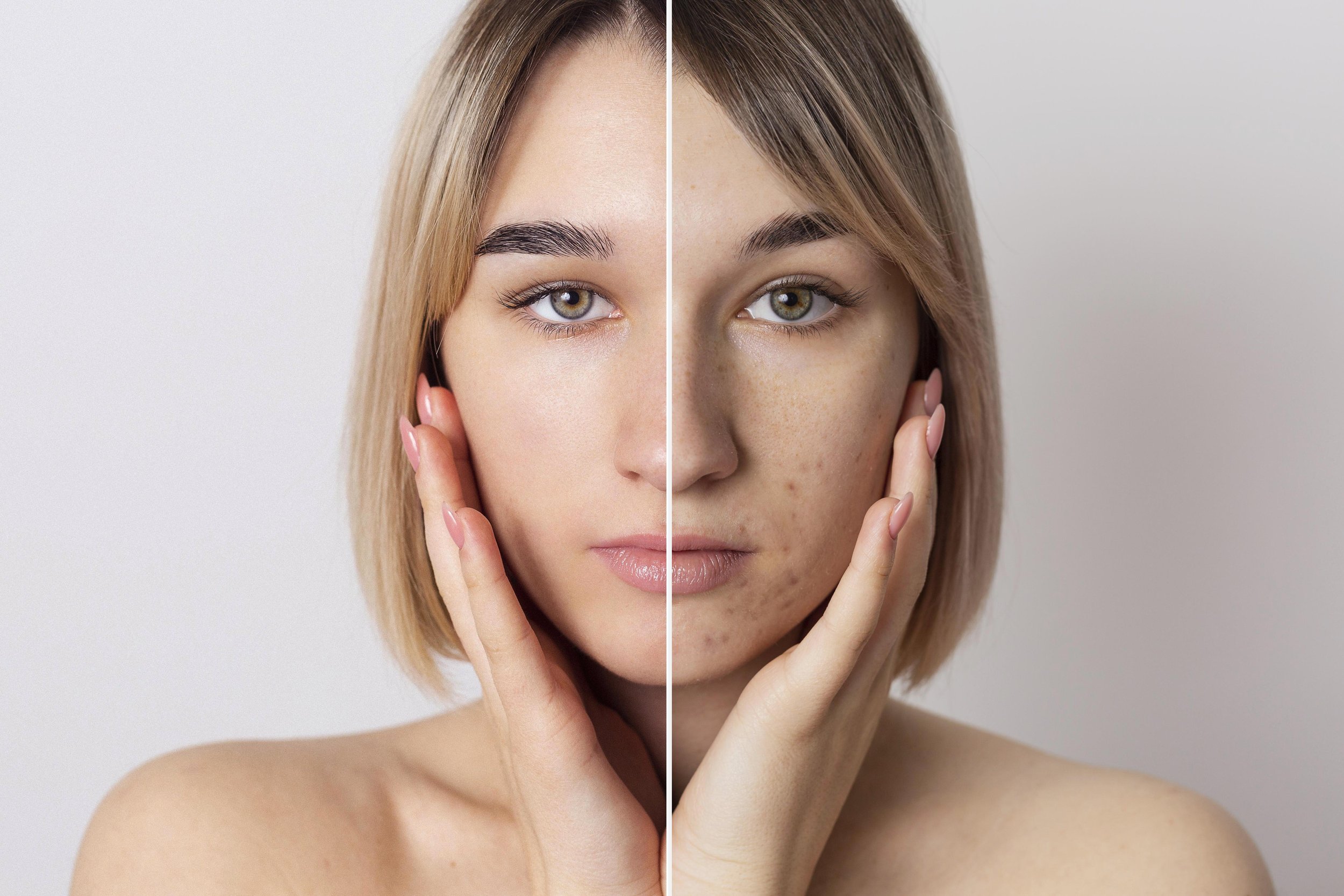
At Zinovations Aesthetics & Longevity Medicine, we understand that melasma is more than a cosmetic concern—it can affect confidence, quality of life, and emotional well-being. If you've tried countless creams, chemical peels, or laser treatments with little success, you're not alone.
Melasma is one of the most challenging pigment disorders to treat because it is influenced by multiple factors, including genetics, hormones, inflammation, heat, ultraviolet and visible light exposure, medications, and even vascular changes within the skin. That is why successful treatment requires more than simply targeting pigment. It requires understanding the condition as a whole.
Our approach combines advanced laser technology, regenerative medicine, medical skincare, and long-term maintenance strategies to help improve skin tone while minimizing unnecessary irritation that can trigger pigment recurrence.
The Zinovations Process
Consultation
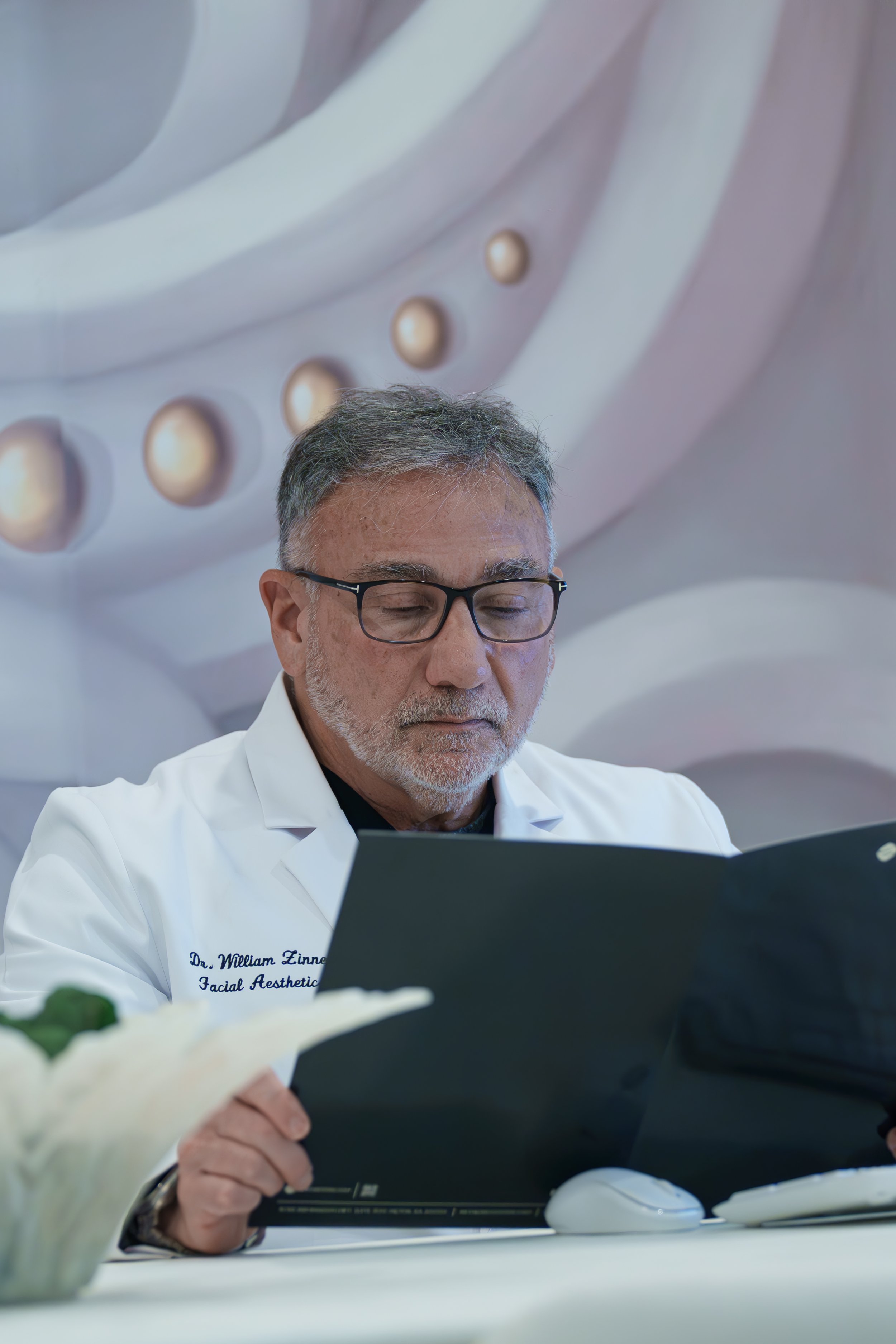
Every patient begins with a comprehensive evaluation where we assess your skin type, pigment pattern, medical history, hormone status, medications, previous treatments, and lifestyle to map out your unique plan.
Treatment
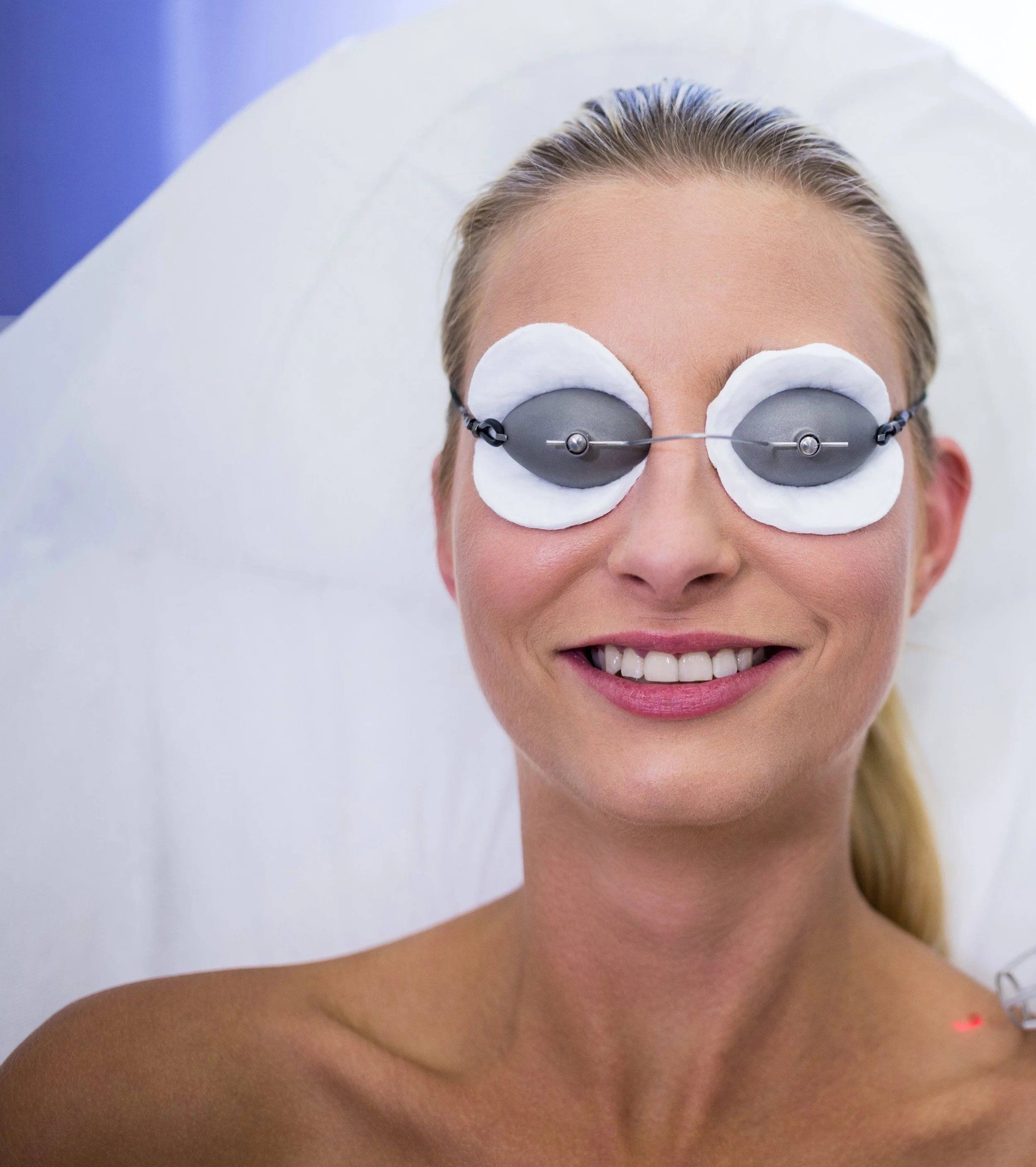
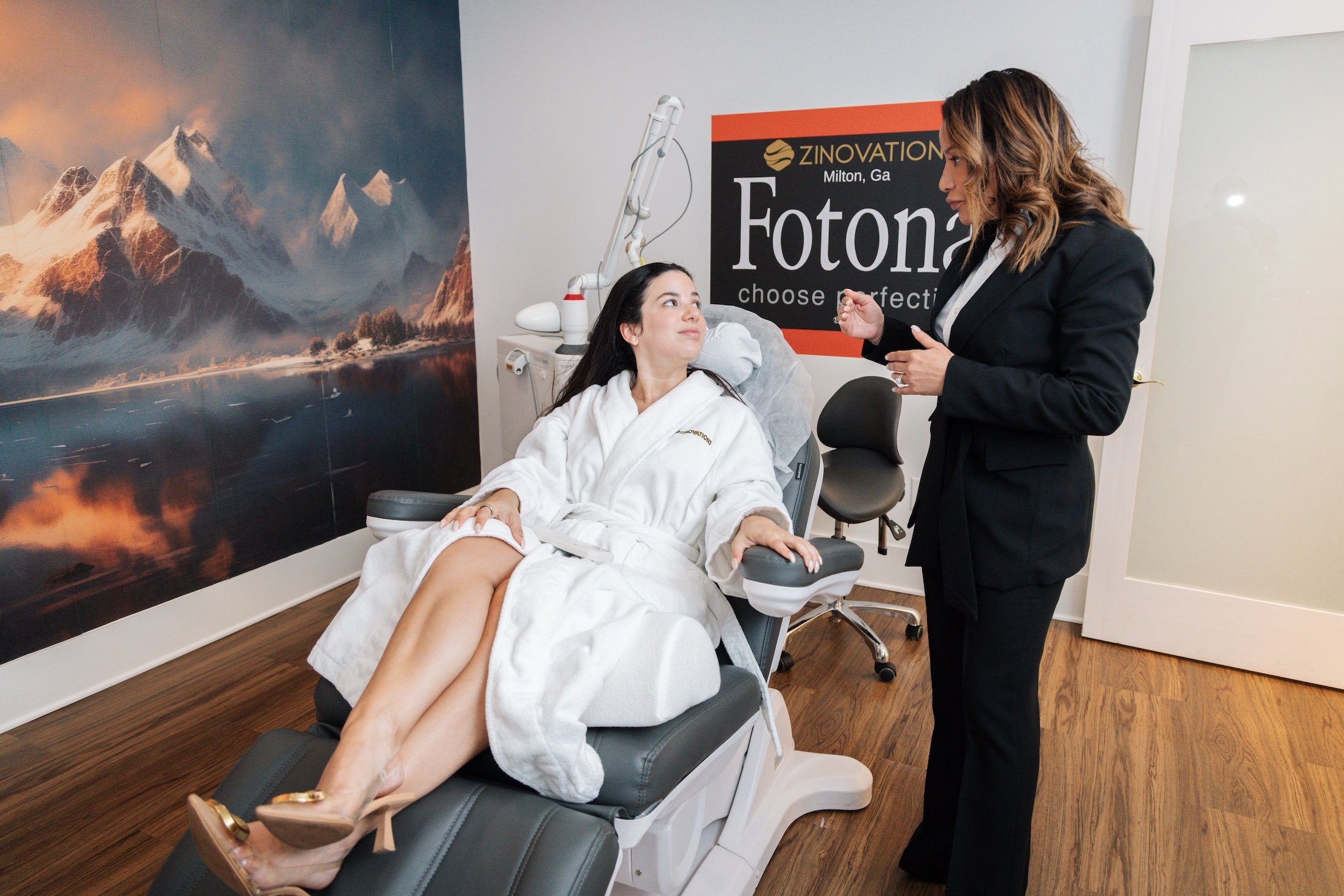
Your plan incorporates advanced Fotona laser technology designed to safely improve overall skin quality and address unwanted pigmentation with a conservative approach that preserves the skin barrier.
Maintenance
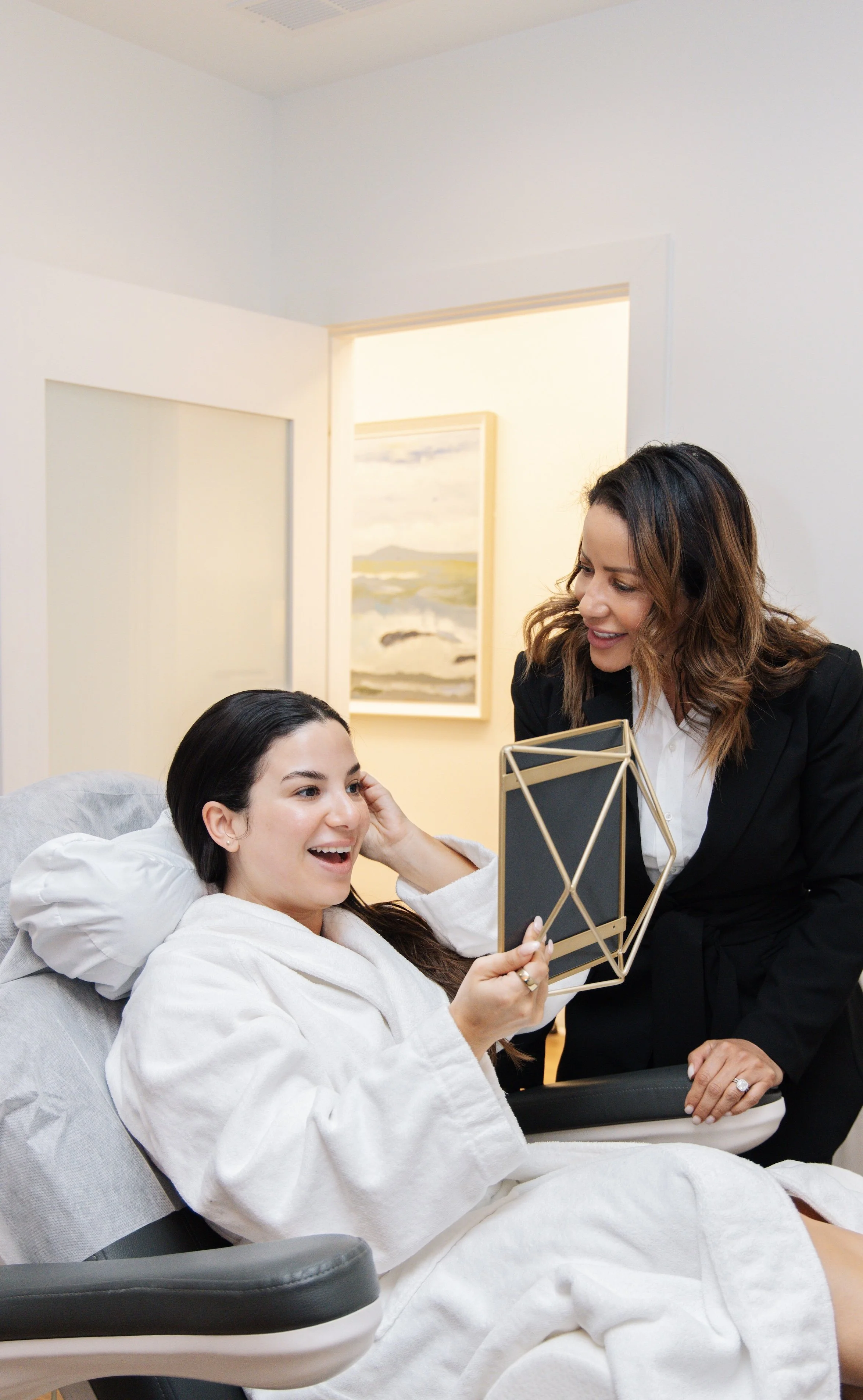
By addressing multiple underlying factors rather than focusing on pigment alone, we help you develop a sustainable, long-term strategy for healthier, brighter, and genuinely renewed skin.
Why Choose Zinovations

Expert Clinical Insight
Co-Founder Michelle Zinney is a licensed esthetician, laser practitioner, and regenerative aesthetics specialist. She treats melasma as a complex medical condition, thoroughly evaluating hormones, pregnancy-related changes, menopause, sun/heat exposure, and barrier dysfunction.

A Respectful Philosophy
Melasma is not a one-size-fits-all condition. Rather than aggressively treating the skin, our philosophy focuses on improving pigmentation while reducing inflammation and protecting your natural skin barrier. We choose patience and consistency over temporary quick fixes.
Holistic Program Elements
When clinically appropriate, your advanced Fotona® laser treatments can be seamlessly enhanced with medical-grade pigment-correcting skincare, PRF (Platelet-Rich Fibrin) regenerative therapies, lifestyle adjustments, and hormone optimization strategies.
FAQs
What is melasma?
Melasma is a chronic type of hyperpigmentation that often appears as symmetrical brown or gray-brown patches on the face. It is highly complex and can be triggered or worsened by hormones, genetics, sun exposure, heat, inflammation, and vascular skin changes.
How does laser treatment help melasma?
Advanced Fotona laser technology targets and breaks down excess pigment in the deeper layers of the skin while simultaneously working to improve overall skin quality. Our conservative approach aims to treat the coloration gently without triggering the inflammation that causes pigment recurrence.
Is this treatment safe for all skin types?
Because melasma requires extreme precision, we use customized treatment plans that match your specific skin type and pigmentation depth. A full consultation and clinical skin assessment are required first to ensure the safest, most effective parameters are used for your complexion.
How many sessions will I need?
Meaningful skin transformation is a gradual journey built on consistency rather than quick fixes. The exact number of sessions varies depending on your individual skin history, hormonal profile, and lifestyle habits, which we will outline clearly during your comprehensive evaluation.
Does the treatment hurt?
The treatment is generally well tolerated. Most clients describe a mild warming or snapping sensation rather than pain.
What should I expect afterward?
Mild redness or light flaking may occur for a few days. Following your aftercare instructions and protecting your skin from the sun is important.
Are results permanent?
Melasma is a chronic condition, meaning it can return over time if triggered by UV exposure, heat, or hormonal shifts. While no treatment can guarantee complete or permanent clearance, a sustainable strategy involving dedicated maintenance therapies and strict sun protection helps deliver lasting improvement.
Can I wear makeup after treatment?
It is best to wait about 24 hours before applying makeup so your skin can recover without added irritation.
Medical Disclaimer: Melasma is a chronic pigment disorder that may require ongoing treatment and maintenance. Individual results vary based on skin type, hormone status, genetics, lifestyle, sun exposure, and adherence to the recommended treatment plan. A consultation and comprehensive skin evaluation are required to determine the most appropriate approach for your individual needs.
The information provided on this page is for educational purposes only and is not intended to diagnose, treat, cure, or prevent any disease. Treatment recommendations are individualized and based on a comprehensive clinical assessment. No treatment can guarantee complete or permanent clearance of melasma or pigmentation disorders.